



From Writer’s Block to the Playback That Lands, Played Nearly Single-Handed in Los Angeles
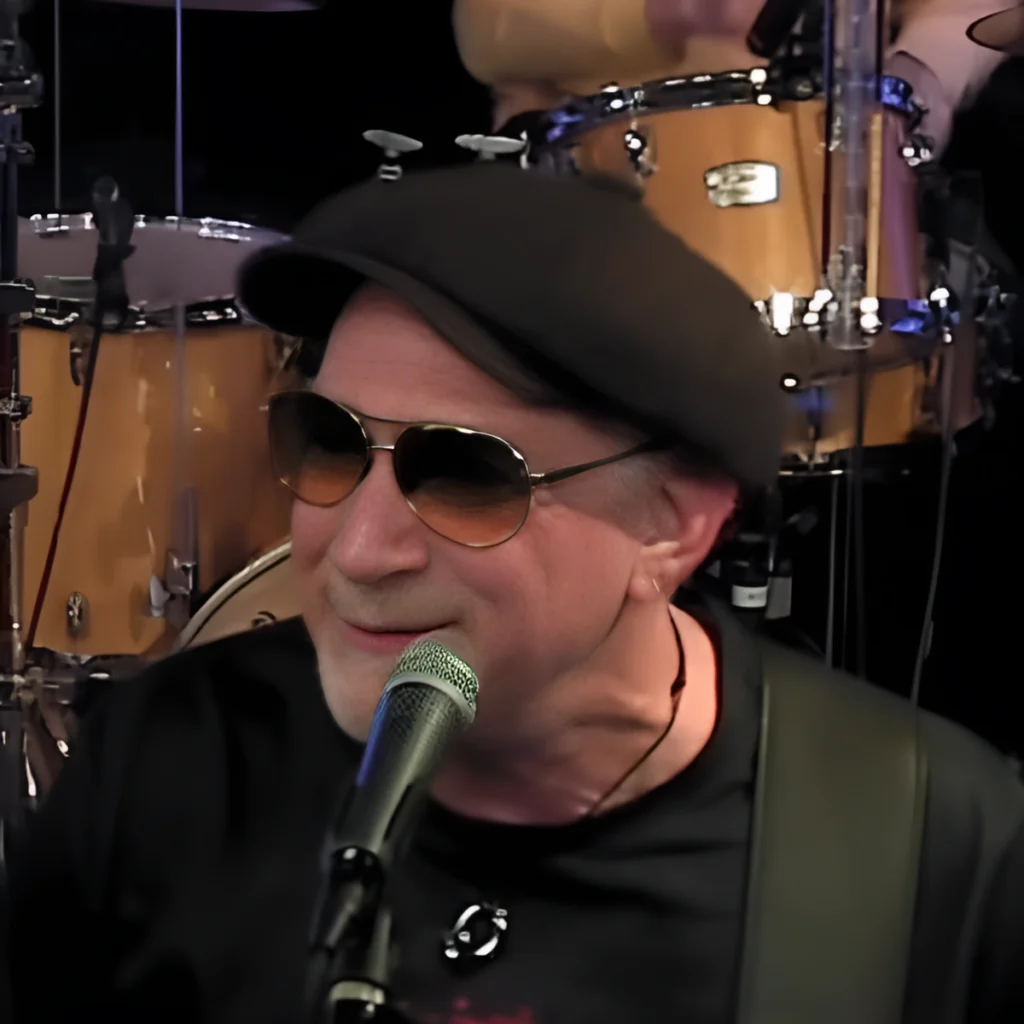
A grand piano sets the pace. Organ, slide guitar and a four-part horn section stack up behind it. Dave Lebental played all of it himself in his Los Angeles home studio. Spotify credits Changing the Way I Feel to Karma Train with Lebental. The song is about writing a song, and it rewards a close listen to how he put it together.
Dave Lebental’s single sits in the playlist below, and his artist profile collects the rest of his coverage. Changing the Way I Feel reached this desk through PopHits.Co Music Charts, which verifies independent artists and places their releases across its network of music news desks. Press play, then read on for how he wrote it.


Dave Lebental Builds a Five-Minute Single Around a Title That Doubles as Its Thesis
The hook is the title. Lebental’s idea is modest and exact. A good song will not change the world, but it can change the way one listener feels for a day. Five words carry that whole argument. Every return of the phrase lands twice, once as melody and once as the point of the verses.
That is also why a single running past five minutes never feels lost. The title phrase comes back as a landmark rather than a slogan. As a result, the listener always knows where they are.
The Karma Train credit points to the live band behind Lebental’s US dates. On the recording, though, Lebental is the whole band. That says a lot about how he made the song. It came out on 4 July 2025, and it sits where AOR, art rock and alt rock pop overlap. In that territory, listeners expect a chorus to land cleanly, yet they still give an arrangement room to wander.

Procrastination, Writer’s Block and Late Nights Fill a Lyric That Waits for Its Own Chorus to Arrive
The verses walk through the private stages anyone with a creative habit will recognise. First there is the putting-off. Then come the blank page, the idea that stops halfway and the late night that produces nothing usable. Lebental names them plainly. He does not dress them up as suffering.
The chorus is the payoff. It stands for the moment a song finally comes together and the first playback sounds right. As a result, the lyric pulls a neat structural trick. The listener waits in the same stuck place the writer did, and relief arrives for both at once.
The Spanish-language magazine Revista Soundloop heard the same tension when it reviewed the song in February 2026. It read the track as a piece about creative block and self-imposed pressure. It also singled out a line about never finishing what he tries as frank self-criticism.
Writing about writing is a risky subject, because it can turn inward fast. Lebental avoids that by keeping the stages general. A painter, a programmer or a novelist could map their own week onto these verses. In the end, the subject is the feeling of a thing clicking into place, whatever the thing happens to be.
The lyric also refuses to oversell. Changing the Way I Feel makes a small claim and keeps it small. Plenty of singers promise to change everything. By contrast, a song that settles for changing an afternoon makes a more honest offer. That modesty suits the craft-first recording around it.


Grand Piano, Organ, Slide Guitar and Four Horn Parts Stack Up Across Five Minutes Built in Sections
Lebental wrote Changing the Way I Feel on piano, and the build shows it. The song moves through distinct sections rather than looping one groove. Its hooks return as markers between them. At 5:10 it runs long for a single, yet the extra time goes into arrangement rather than repetition.
Lebental tracked the parts himself. He played grand piano, organ, bass, slide guitar and synth. He then recorded tenor saxophone, alto saxophone, trumpet and trombone, and he sang every vocal part. The horns are the detail to listen for. They behave like a second hook line, answering the piano instead of padding it. They also give the chorus its lift when the breakthrough finally comes.
The method has a clear lineage. Paul McCartney made his 1970 solo debut, McCartney, largely at home with the instruments in his own hands. Lebental names him among his influences, and the layered, one-person arrangement here comes from the same workshop instinct. Before that, The Beatles put a full brass section at the centre of Got to Get You Into My Life. The horn writing on this single follows that idea of brass as a pop hook rather than decoration. Similarly, Billy Joel, another name Lebental cites, built Scenes From an Italian Restaurant as a piano song in movements. The sectional writing here comes from the same school.
So who is it for? It suits listeners who rate a record by its arrangement first. That means the AOR fan who still reads the credits and the art rock listener who enjoys a song that changes gear. It also means anyone who has stalled on a creative project and wants a reminder of how finishing feels.
From the RockRevival.News Curator Team: “What earns this a place in our rotation is the patience. Five minutes and ten seconds is a long time to ask of a listener. Dave Lebental uses it to let the stuck feeling of the verses linger before the horns and the chorus pay it off.”
Follow Dave Lebental and Karma Train From the Piano Single to the Monthly Live Streams
Stream Changing the Way I Feel on Spotify. Then keep up with Dave Lebental across platforms: Spotify, Apple Music, Bandcamp, YouTube channel, Instagram, Facebook and his official site, which announces the monthly live streams.
Karma Train, the live band behind his US shows, is on Facebook, on its own YouTube channel and at the band’s official site.






About The Author


More Stories
The Sound of Two Studios on A Guy Like Me by Aguon and Breen
The Sound of Black Country Sleaze Rock: Blanco Negra’s Hard Cold Lover
How Oranj Son Got Liverpool Jangle and Shoegaze Haze Into Dream + Lie