





A Dual Rectifier in Standard E, a Rebuilt Production and a Chorus Built to Break Open
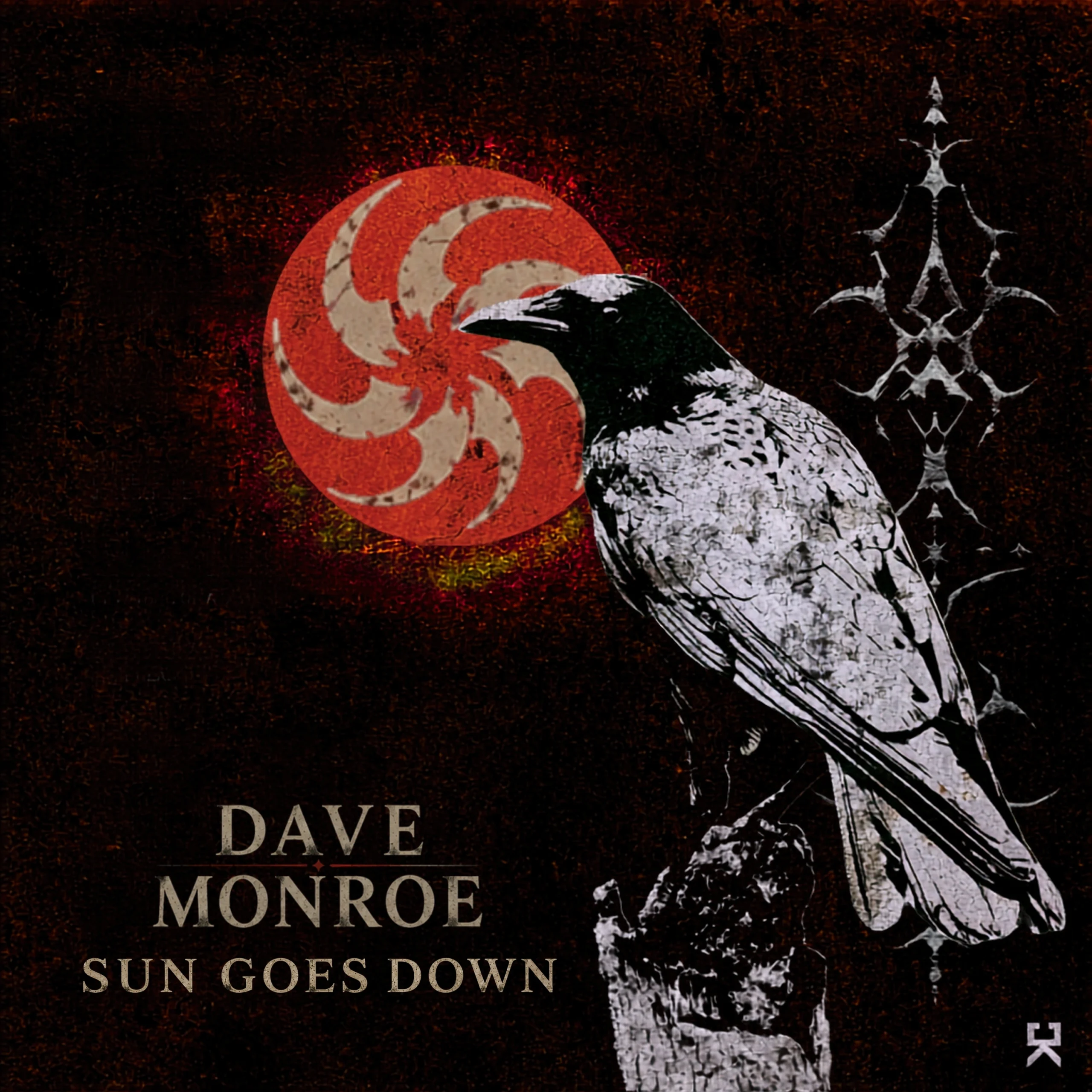
The guitars on Sun Goes Down went through a Mesa/Boogie Dual Rectifier in standard E tuning. As a result, the weight lands the moment the chorus opens up. It is the debut single from Dave Monroe, a Seattle-based rock artist with grunge at the root of his sound. It came out on July 31, 2026, as the first chapter of his project.
Dave Monroe’s single is in the playlist below, and the Dave Monroe artist profile gathers his full run of coverage. Sun Goes Down reached this desk through PopHits.Co Music Charts, which verifies independent artists and places their releases across its network of music news titles. Put it on loud, then read on for the gear behind it.

Seattle Grunge Never Left the Catalogue, and Dave Monroe Picks Up Its Heaviest Strand on Sun Goes Down
The template dates from Seattle at the start of the 1990s. Soundgarden released Badmotorfinger in 1991, and Pearl Jam released Ten the same year. Then Alice in Chains followed with Dirt in 1992. Together they set out a way of making heavy music that rock still uses. The guitars carry real weight, the verses hang back, and one big voice carries the chorus.
That approach never went out of circulation. Instead, it moved from college radio to arena stages and then into the catalogue. Each new generation of heavy listeners finds it there again. The bands that started it are still part of the story, too. Pearl Jam, for example, put out Dark Matter in 2024, a little over three decades after Ten. That is a fair answer to anyone who files grunge under nostalgia.
Dave Monroe arrives in that line knowing which strand he wants. He is a rock artist and songwriter rooted in grunge, heavy rock and alternative rock. Sun Goes Down sits at the darker end of that mix, with weight and melody in equal measure. His path has taken him from San Diego to Seattle. He also grew up around strong religious expectations. In music, however, he found a sense of purpose and something closer to a faith of his own. Indeed, his own profiles describe music as the faith he chose.

Dave Monroe Wrote Sun Goes Down Alone in a Rehearsal Room and Tracked It Through a Dual Rectifier
The song started small. Monroe wrote Sun Goes Down alone in a rehearsal room after a motorcycle accident, while he was still processing its aftermath. He recalls the chords, the vocal melody and the first lyrics arriving almost at once. The subject came with them, too. The verses sit inside the feeling of being trapped in your own head. The chorus, by contrast, pushes against it and still reaches for change and a second chance. So the track lives between exhaustion and hope, and the arrangement follows that split to the last chorus.
Getting it on record took longer. As the production developed, some choices drifted away from what Monroe felt the song needed. So he changed direction and rebuilt those parts until the recording matched his original vision. He also went looking for one particular sound, a Mesa/Boogie guitar tone. Then he heard a player on another record whose tone had exactly the weight he wanted. By pure coincidence, that same guitarist answered a post Monroe had made looking for someone with that setup.
The Gear Behind the Weight
Apart from a few final additions, every guitar on the single went through a Mesa/Boogie Dual Rectifier. That high-gain head became a fixture of heavy guitar tone in the 1990s. However, there is no drop tuning here. Monroe kept the guitars in standard E. As a result, the heaviness comes from the amp, the playing and the arrangement, not from slackened strings.
His main guitars were a 1996 Japanese Fender Stratocaster and a vintage Gibson Les Paul. In addition, a 2012 American Stratocaster adds extra layers in certain sections. A Blackstar HT-DUAL tube preamp and a Boss drive pedal sat in the chain. Meanwhile, a Taylor acoustic sits underneath the electrics, and a Fender Jazz Bass carries the low end.
The record came together across several sessions and locations. Aviv Bart played the drums in a dedicated studio session. Monroe also completed additional guitar work with Ofir Markovitch at MajorVoid Studio. For the final vocal, he sang into a Nady TCM-1150 large-diaphragm tube condenser. Finally, he finished the vocal production, mix and master with Nick Muracciole at Off Leash Audio.


Where Sun Goes Down Sits Beside Alice in Chains and Soundgarden for Heavy Alternative Rock Fans
Two Seattle bands are the clearest reference points. Alice in Chains paired Jerry Cantrell’s slow, heavy riffs with dark vocal harmonies. On Dirt, they turned inward, troubled subject matter into heavy, melodic songs. Likewise, the dark, spacious verses of Sun Goes Down come from the same place. So does its theme of a mind that will not let go.
Soundgarden, meanwhile, showed how much a band could hang on one voice. Chris Cornell’s range let them put a soaring vocal over riffs that stayed low and heavy. That approach carried Superunknown in 1994. Similarly, the towering chorus of Sun Goes Down lets the guitars hold the floor while the voice goes over the top.
Who Sun Goes Down Is For
The audience is easy to name. This is for fans of heavy, guitar-driven alternative rock, grunge and hard rock. It also suits listeners who come to a song for a powerful vocal, a dark mood and direct songwriting. Anyone whose playlists move between the Seattle catalogue and newer heavy rock will find a place for it. Play it loud, and give the verses the same attention as the chorus. After all, the contrast between the two is the point of the song.
There is more to follow, too. His second single, Blind Leading the Blind, is out now, so this first chapter already has a sequel.
From the RockRevival.News curator team:
“A first single has one job, which is to show what an artist sounds like at full volume. Sun Goes Down does that in under four minutes and still lets the verses breathe before the chorus lands. That patience is rare on a debut. It is also why we would file Dave Monroe next to the Seattle records his sound draws on.”
Where to Stream Sun Goes Down and Follow Dave Monroe for More Grunge and Heavy Rock
Sun Goes Down is streaming on Spotify, Apple Music, Tidal, and Amazon Music. You can also hear it on YouTube Music, Audiomack, and Pandora, or pick your service from the smartlink.
Follow Dave Monroe on Spotify, Apple Music, Deezer, and his YouTube channel. He also posts on Instagram, TikTok, Facebook, and Threads.













About The Author





More Stories
How LastTimeDown Got the Live-Room Sound of Kiss the World Goodbye
Sad Wings of Destiny Gets the Running Order Priest Wanted
Dave Lebental and the Making of Changing the Way I Feel, Reconsidered