


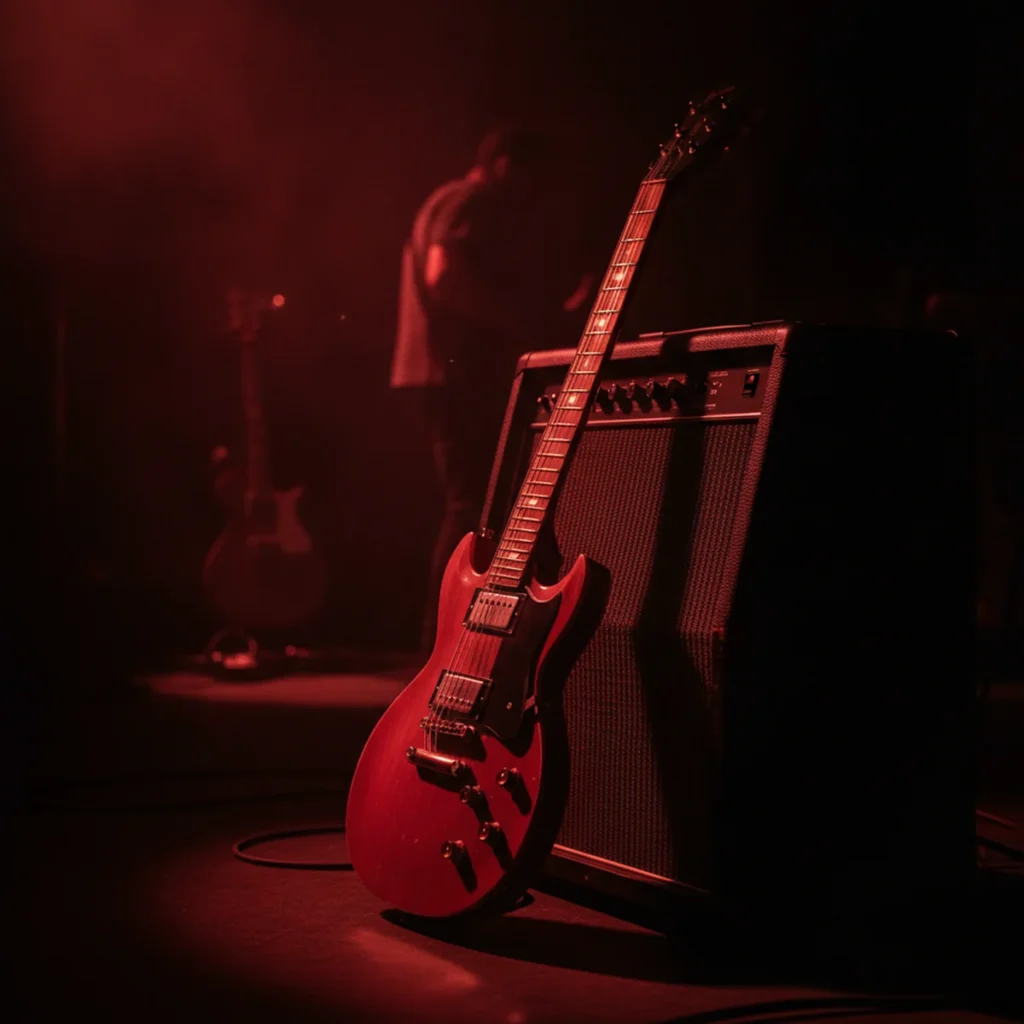
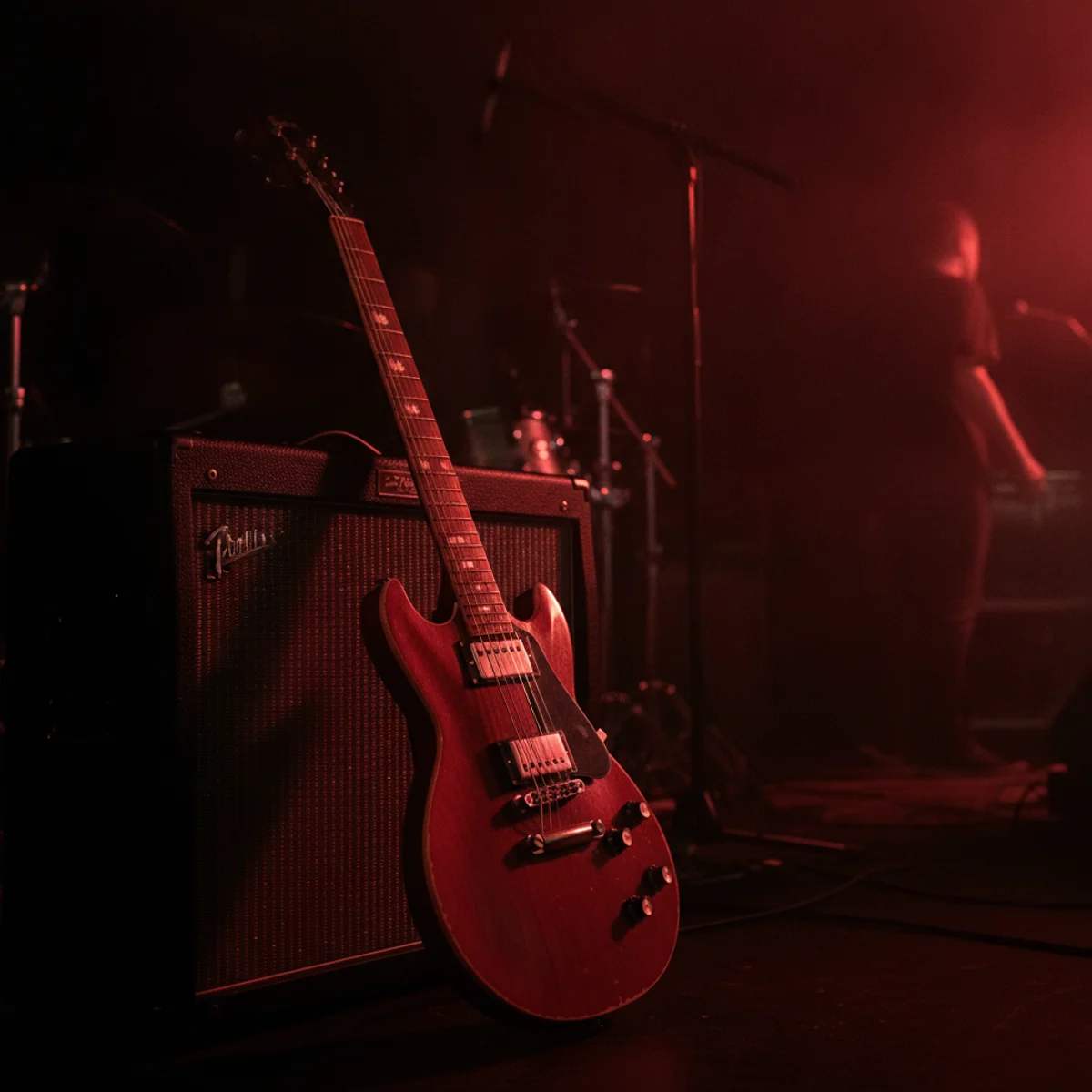
Backline stacks became staging long before they stopped being necessary.
The towering wall of speaker cabinets behind a hard rock band is largely visual, and has been for decades.
You can listen to our full playlist which contains the artist’s music, and know more about the artist’s work by scrolling down the page.

PLAYLIST
Most of the Wall Is Not Connected
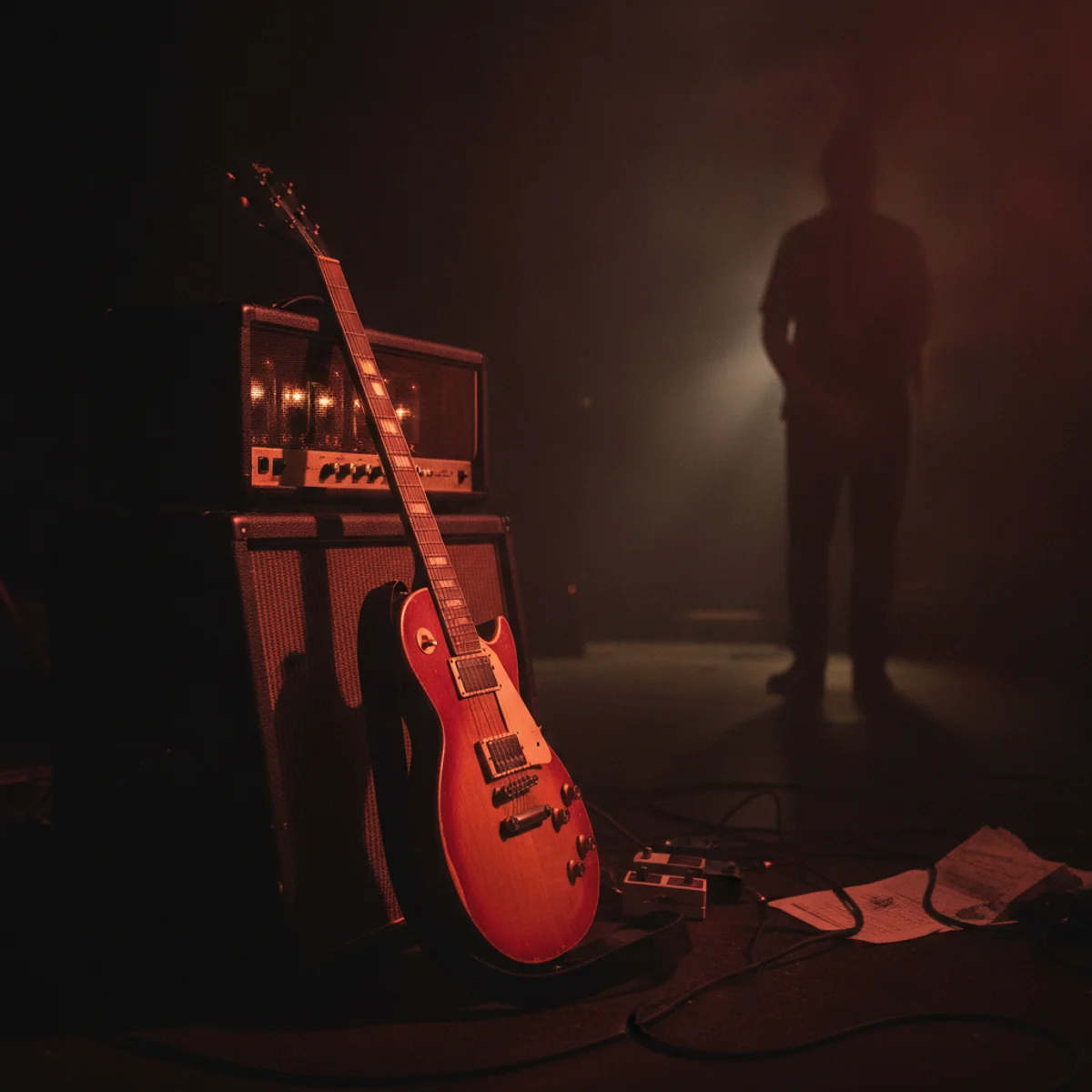
The towering backline of speaker cabinets behind a hard rock band is largely visual, and has been for a long time. On most large stages a substantial proportion of those cabinets are empty shells or simply not plugged in.
This is not a secret within the industry and it is rarely presented as deception. Dummy cabinets are a standard rental item, and the reasons for using them are practical rather than fraudulent.
What is worth examining is why the visual convention survived long after the technical requirement that created it disappeared.
The Original Requirement Was Real
In the era when the imagery formed, the wall of amplifiers was genuinely necessary. Venue sound reinforcement was primitive, and a band playing to a large audience had to generate the volume itself from the stage.
That meant multiple amplifiers and many speaker cabinets, because a single amplifier could not produce enough level to fill a hall. The stack was load-bearing infrastructure, and its size corresponded directly to the size of the room.
Vocals went through a small public address system and everything else came off the stage, which is why recordings from that period sound the way they do and why the backline had to be enormous.
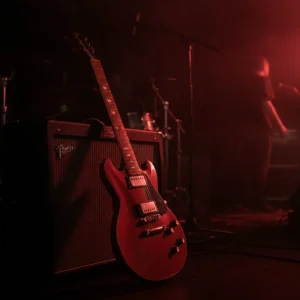
Isolation cabinets and load boxes are how modern stages get the sound without the volume. The amplifier runs hard into a dummy load or a sealed box, the microphone signal goes to the desk, and the stage stays quiet enough for in-ear monitoring to work.

Modern Systems Removed the Need
Contemporary large-format sound systems changed this completely. The audience now hears the band almost entirely through the front-of-house system, which is flown above the stage and designed to cover the room evenly.
The guitar amplifier’s job is reduced to producing a good sound for a microphone to capture, and that requires one cabinet, not twelve. Many touring acts now keep amplifiers offstage entirely, in isolation cabinets, and monitor through in-ear systems.
A large stage backline actively works against this, because a loud stage bleeds into vocal microphones and undermines the mix engineer’s control over what the audience hears.
So Why Keep the Wall
The visual argument is straightforward and it is about scale on a stage that is otherwise mostly empty. A large stage with four musicians and a small amplifier looks sparse from any distance.
The stack also carries genre meaning accumulated over decades. It communicates volume, seriousness and a particular lineage, and it does so instantly to an audience that will never think about whether the cabinets are connected.
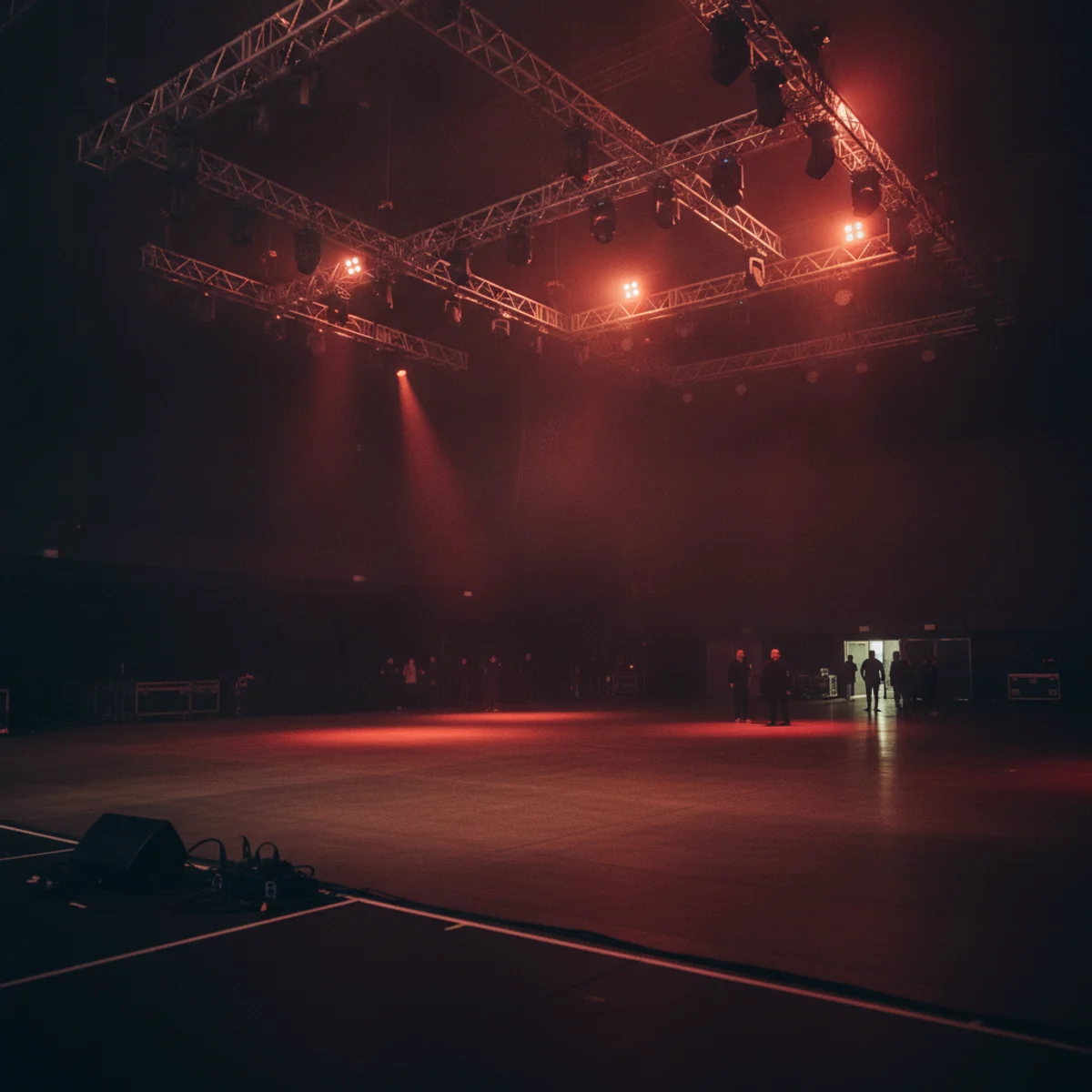
In that sense it functions the same way as any other stage element: lighting rigs, risers and video walls are all there to make a large space read correctly, and nobody objects that a lighting truss is not producing music.
There is a monitoring argument for keeping something real on stage. Guitarists interact with the amplifier’s output physically, and feedback and sustain behave differently when the speaker is genuinely moving air behind them.

Where It Becomes a Problem
The practice attracts genuine criticism in one specific circumstance, which is when it is presented as functional rather than decorative.
Bands and manufacturers occasionally imply that an enormous amount of amplification is producing the sound when it is not, which misleads younger players into believing that volume of equipment is what creates the tone they hear.
That has a real cost. Players spend money on multiple cabinets pursuing a sound that came from a single amplifier, a microphone and a mix engineer, and the equipment does not deliver what was implied.
Honest Staging Is Not Difficult
The reasonable position is that stage design is legitimate and that pretending it is something else is not.
Plenty of acts use large visual backlines and are entirely open about them, treating the wall as set dressing in the same way they treat the lighting rig. Nobody’s experience is diminished by knowing it.
That seems like the right settlement. Keep the imagery, which is part of the genre’s language and works, while being clear that the sound is coming from a well-placed microphone and a properly designed system, because the people most affected by the confusion are the ones trying to learn how it is done.
The clearest sign that the wall is decorative is that it rarely changes between venues of very different sizes. A functional backline would scale with the room; a visual one travels as a fixed set piece.








About The Author



More Stories
The Case Against Rock Being Dead
Why Metal Subgenres Multiply
The Bass Guitar Problem in Heavy Mixes