





Fifteen Tracks Cut by a Portuguese Engineer Who Left the Job to Finish Them
The first thing you hear on Somewhere In The Crowd is a guitar tone that has been tracked, not sampled. That matters, because almost everything else on the record was made by one person in one room. Sandra Bullet wrote it, sang it, played the guitars, produced it, mixed it and mastered it, in a studio she built herself in Coimbra.
Sandra Bullet’s music is in the playlist below, and the rest of her coverage sits on the Sandra Bullet artist profile. Somewhere In The Crowd reached this desk through PopHits.Co Music Charts, which verifies independent artists and places their releases across its network of music news desks. Press play, then read on.

The Wave of One-Room Rock Records and Where Somewhere in the Crowd Sits
There is a whole class of rock record now that exists because the studio stopped being a building. Home recording got good enough that a guitarist with a laptop, an interface and a treated room can make something that presses. What separates the good ones from the demos is not the gear. It is whether the person at the desk can also hear an arrangement.
Somewhere In The Crowd is at the strong end of that class, and the reason is unusually literal. Speaking to Rock At Night, Sandra Bullet set out the route: a Master’s in mechanical engineering, an engineering job held down while she built the room she would later record in, guitar, bass and drums taught to herself, and more than a thousand online sessions for artists in over seventy countries. Then she left the engineering job to do this instead.

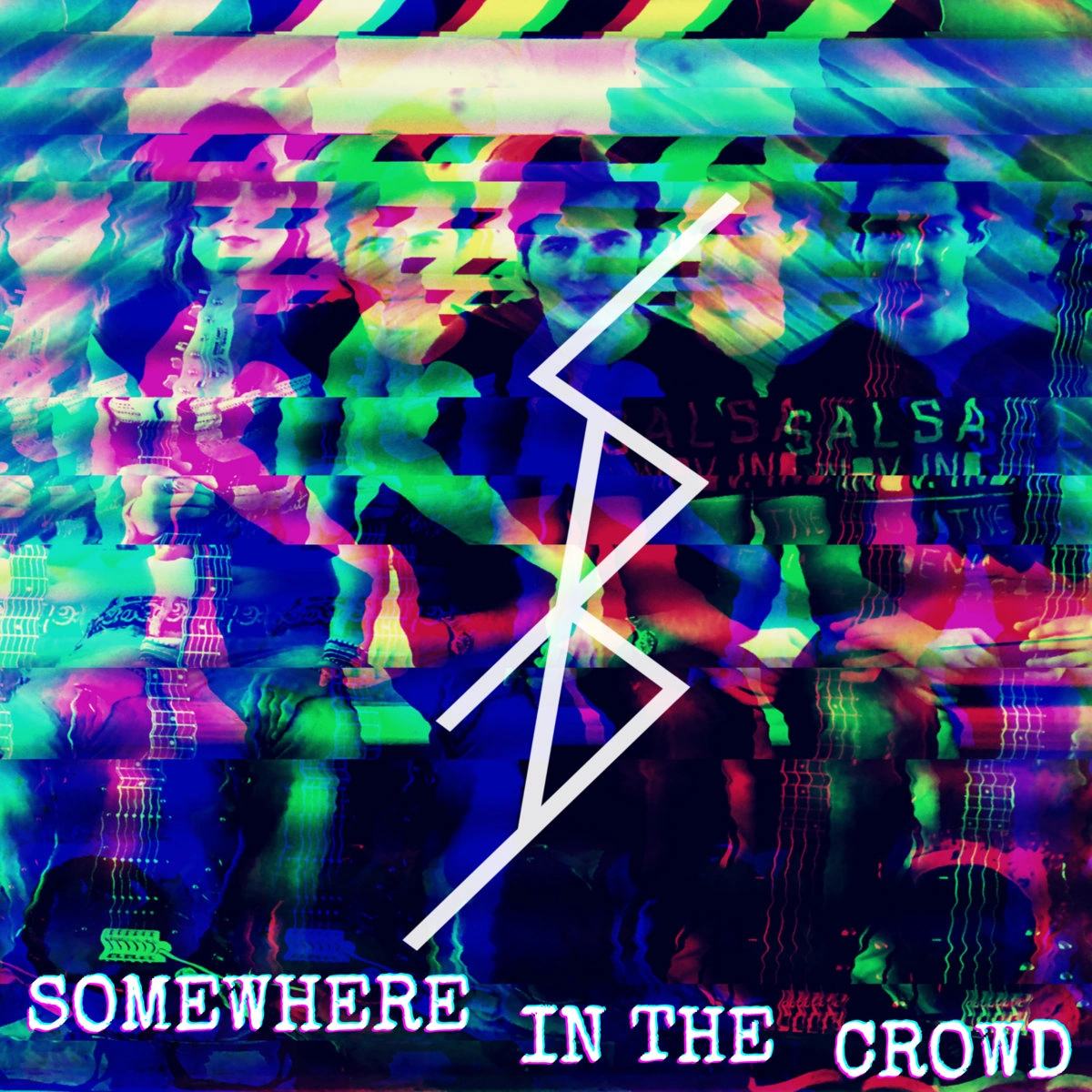
The album runs fifteen tracks and came out on 1 May 2021, after an earlier EP called Longe. Three of the songs are in Portuguese. Ricardo Gaspar played drums and Eduardo Maduro played bass, with arrangements from Hugo Ribeira and Rui G. Biloba, and everything else on the record is hers. “Doing everything myself gives me that space, that freedom,” she told Rock At Night.
That division of labour shows up in the sound rather than in the credits. Records made by committee tend to average out. The guitar sits where guitars usually sit, and the vocal gets the treatment vocals usually get. This one does not average out. The rhythm guitar is louder than a producer would normally allow, the vocal is dry where a modern rock mix would wash it, and the arrangements leave gaps that a bigger production would have filled.


Where the Songs Come From, and Why They Sound Older Than 2021
The catalogue framing explains the rest. The album marks fifteen years since her first band, and the fifteen songs are the earliest ones she wrote with other musicians, rebuilt with the people she originally played them with. It is not a covers record and it is not nostalgia. It is a set of songs written by a teenager in a garage band and finished by an adult who can now record them properly.
That is why the record sits in 90s rock and AOR rather than in whatever was happening in 2021. The songs are the age they are. The production stays faithful to what they sounded like in the room where they were written, rather than updating them toward a current radio sound.
The detail that gives the game away is the guitar. She rebuilt her former guitarist’s playing style closely enough that his own father heard the record and thought it was his son. That is a strange thing to aim for and a harder thing to hit, and it tells you what kind of project this is: not a reinterpretation, a reconstruction.
Across the fifteen, the register moves more than the genre tags suggest. Who’s The Fool leans hard into punk. Why?! is the most straightforwardly commercial thing here. U Still R, Quest and Everything’s OK sit closer to the melodic AOR the album is filed under. Her press comparisons run to Alanis Morissette and P!nk, which is fair for the vocal attack, though the guitar work points further back than either.
The RockRevival.News curator team: “The engineering background is not trivia here, it is the method. Someone who spends a decade solving mechanical problems and then builds a studio ends up mixing like an engineer: the parts are where they are for a reason, and nothing is loud because loud is easier.”
Where to Hear Somewhere in the Crowd and the Rest of the Catalogue
Play it in order. The sequencing carries fifteen years of writing, and the shifts between the punk end and the AOR end make more sense as a run than on shuffle.
The audience for this is specific. It is the listener who still checks who played what, who notices when a rhythm guitar is real, and who is not put off by a record that sounds like 1997 because the songs are from then.
Somewhere In The Crowd is on Spotify, on Apple Music, and on Bandcamp, where the wider catalogue including Longe also sits. There is a Spotify playlist of her work, the videos are on her YouTube channel, and she posts on Instagram, Facebook, and streams on Twitch.








About The Author



More Stories
The Sound of Marigny Studio and the Bayou on Rising by Jeb Rault
Swiss Dialect Rock, Reconsidered Through Zueri by Dave Curl
How Bite To Break Got the Weight of Slam and Death Metal Onto In My Head