

The Dublin Experimentalist’s Folk-Facing Detour, Fourteen Months on and Still Being Found
d’ARC opens Homesteads on violin harmonies, wind and a whistled melody. That is not how most records on this desk begin. It is not how he usually works either. The Dublin writer spends most of his time making dark ambient and avant-garde metal, and this is what happens when the distortion comes off and the strangeness stays.
d’ARC’s releases sit below, and the full run of coverage is collected on the d’ARC profile. Homesteads came to this desk through PopHits.Co Music Charts, the programme that verifies independent artists and places their releases across its network of music news desks. Press play, then carry on reading.
The Experimental Fringe Where Metal, Folk and Ambient Stopped Being Separate Scenes
Heavy music has never been short of writers who wander off and return carrying something odd. For instance, prog did it with folk melodies and twenty-minute suites. Later, post-metal did it by borrowing from ambient and refusing to hurry. What has changed is the admin. A writer working alone no longer has to pick a lane, and the results land on the same release schedule as everything else.
d’ARC is a useful case. His catalogue is mostly heavy. Track titles like Cyborgmantle Death City, Rise of the Molten Citadelites and …Unto Abaddon tell you where he usually operates. On his own page he puts it plainly: a Dublin native producing dark ambient and avant-garde metal, with a part-EP called The Abaddon Chasm trailed for 2026. This is not a folk artist taking a detour into heavy music. In fact, it is the other way round.
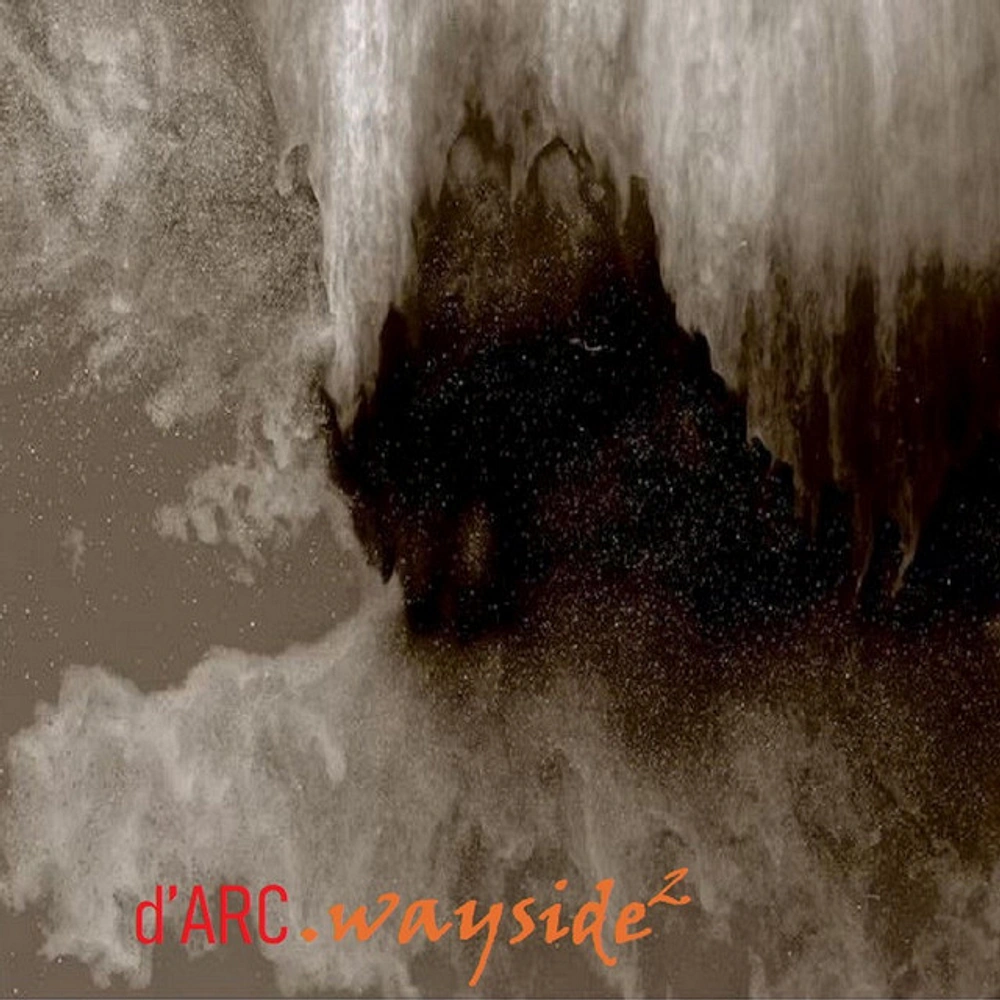
Which makes Homesteads the one worth stopping on. It arrived on 2 July 2025, drawn from WAYSIDE², a twelve-track collection that followed 2024’s WAYSIDE. Muse Chronicle covered that wider set. It described the collection as blending alt-country, electronic music, psychedelic rock and acoustic folk, recorded inside a single month with every decision handled by one person.
Ireland has become a reliable place to watch this sort of crossing happen. Traditional instrumentation gets taken seriously, then pushed well past where the tradition stops. Dublin has been at the centre of it for a decade. d’ARC reaches that territory from the heavy end rather than the folk end. Different route, similar place.

What d’ARC Put on Homesteads, From Violin Harmonies to a Closing Strum
The track opens on violin harmonies and wind, a whistled melody riding over the top. From there it drops into a groove of drawn-out guitar strums and clicky percussion. Then it cuts, without warning, to a downcast violin line set against twangy strings. A few spoken poetic lines arrive there. The next shift lands somewhere airy, unsettling synths and strings sitting underneath. The final section turns dissonant, the artist offers a closing reflection, and a gentle strum ends it.
That is not a verse and a chorus. It is a run of hard cuts. Good Music Radar reviewed the track in July 2025 and called the result unabashedly fragmented, placing it across classical, folk and ambient in a single breath. FVMusicBlog carried it the same month. It credited the arrangement and the musicianship rather than any one hook.
The transitions are the point. Nothing is smoothed over. So each new section has to earn its place the moment it arrives. Readers who have sat through a long-form heavy record know the discipline that takes: commit to an idea, track it properly, move before it outstays its welcome. d’ARC applies that to a violin and an acoustic guitar rather than a half stack.
The working method explains a lot. A writer building twelve tracks alone, inside a month, does not arrive at consensus arrangements. So he commits and moves on. Homesteads sounds precisely like that process caught on tape.
RockRevival.News’s curator team: “Homesteads rewards the listening this readership already does with long-form heavy records. First pass, the cuts feel abrupt. Third pass, that opening violin figure turns out to be holding the whole structure together.”

Why Homesteads Belongs Beside Talk Talk, Lankum and Richard Dawson
Talk Talk is the obvious starting point. Laughing Stock was cut down from long improvised sessions until silence carried as much weight as the playing. It proved an acoustic instrument in a strange room could land heavier than a wall of amps. d’ARC reaches a similar conclusion with violin and guitar. Likewise, he trusts the gaps between sections.
Lankum is the closer reference, geographically and tonally. The Dublin group buried Irish traditional song under drone and controlled dissonance until the arrangements turned genuinely heavy. Moreover, they proved the audience reached well outside folk clubs. The dissonant passage late in Homesteads works the same seam. d’ARC just gets there by studio construction rather than a room full of players.
Richard Dawson completes the triangle. His records break structure deliberately. He drops spoken or half-sung lines into the middle of a song without apology, which is exactly what happens when the poetic lines land here. Anyone who followed Peasant will recognise the nerve that takes.
So the audience is clear enough. Prog and post-metal listeners who value structure over hooks. Folk and alt-country fans willing to follow a fiddle into a synth pad. And the readers here who worked out long ago that the heaviest thing on a record is not always the loudest.
Where to Hear Homesteads and Follow d’ARC Across Streaming and Social
Homesteads is out now. The quickest way in is the track on Spotify. The rest of the catalogue, heavy end included, sits on the Spotify artist page. Listeners who would rather buy direct will find d’ARC on Bandcamp, and there is a deeper pile to work through on SoundCloud.
For everything else, d’ARC posts on YouTube and Facebook, where The Abaddon Chasm is being trailed for 2026. Fourteen months is long enough for most singles to vanish from view. Instead, this one keeps finding people the slow way. That usually says more about a record than its first week does.




About The Author

More Stories
Spanish Guitar Over a Classic Rock Riff: Silverbird’s Wasn’t Born to Follow
Koala Bar Built This Is a Car at Home, and Malmo Can Be Heard All Over It
Corrozion Dark Lights and the Sound of Four Tracks Cut at Dome Studio in Angers